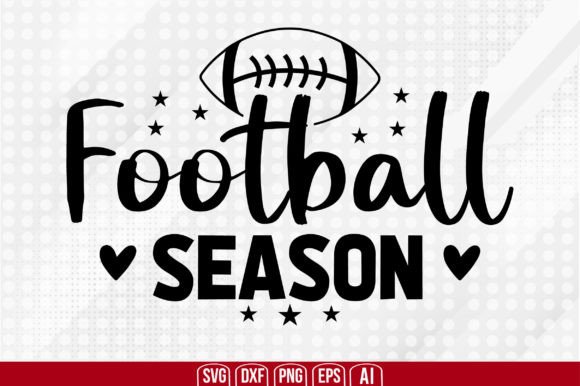
Football Season Svg
As a blog designer and digital publisher, I'm always on the lookout for high-quality, flexible design assets that elevate editorial content and streamline visual workflows. Recently, I downloaded the Football Season SVG and put it through its paces across a variety of content publishing scenarios—from blog headers to Pinterest pins and downloadable guides. Here's my honest review as someone who uses design assets daily to build visually compelling content experiences.
First Impressions: A Seasonal Design with Editorial Flair
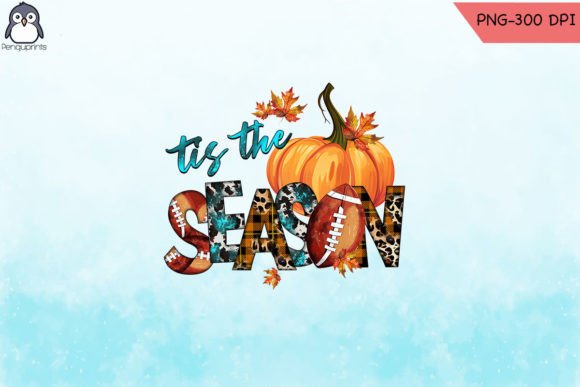
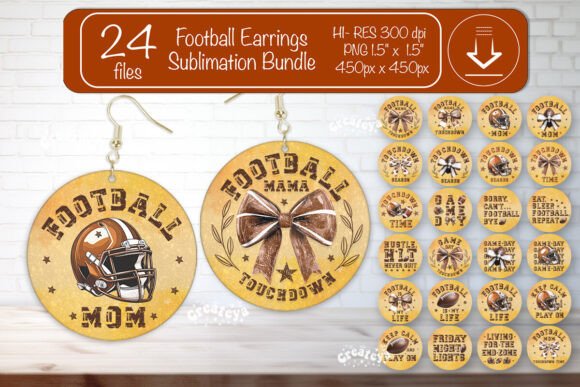
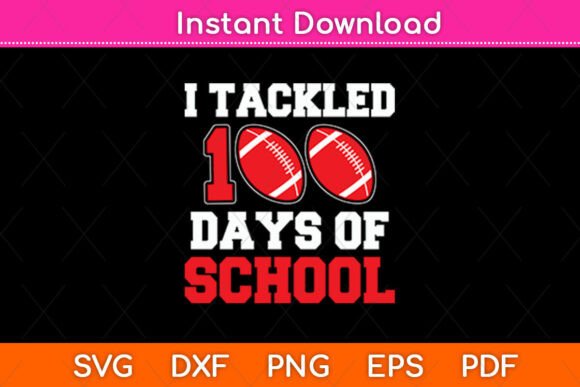
The Football Season SVG immediately struck me as a lively, thematic graphic that blends a touch of sports culture with a clean, modern aesthetic. It's clearly crafted for seasonal storytelling, especially around fall content planning. Whether you're running a lifestyle blog, a sports affiliate site, or a digital newsletter focused on college culture, this SVG fits right into that niche with a playful, yet polished tone.
It doesn’t feel overly masculine or too casual—it strikes a balance that makes it suitable for both male and female audiences. The design is bold without being cluttered, making it ideal for visual storytelling that needs to feel both current and relatable.
Real-World Publishing Use Cases
Let’s talk about where this graphic design asset truly shines in a content creator’s workflow:
- Blog Featured Images: I used the SVG as a header graphic for a post about fall tailgating recipes. The visual instantly set the tone—seasonal, fun, and relevant.
- Pinterest Graphics: Resized and layered with a bold headline in Canva, it made for an eye-catching pin that outperformed generic images in terms of click-through rate.
- Newsletter Banners: I embedded the SVG into a Mailchimp header for a seasonal content roundup. It gave the email a professional edge and made the layout feel more intentional.
- Downloadable Resources: The SVG worked well in a digital guide about fall events, adding a thematic accent without overwhelming the text.
- Social Media Previews: On Instagram Stories and Facebook posts, the SVG helped reinforce seasonal branding and encouraged engagement through visual consistency.
How Football Season SVG Supports Content Performance
Visuals matter more than ever in content marketing. The Football Season SVG supports several key performance indicators that digital publishers care about:
- Stronger First Impression: The bold design helps capture attention immediately, especially when used as a hero image or featured graphic.
- Clearer Visual Hierarchy: When layered with text or placed alongside editorial content, it creates a natural focal point that guides the reader’s eye.
- Better Click-Through Potential: Used on Pinterest or in email headers, the design increased engagement and traffic from visual platforms.
- Consistent Branding: Even though it’s a seasonal asset, it can be integrated into a broader visual identity system with the right color palette and typography.
- Improved Reader Trust: Professionally designed assets like this one contribute to a sense of credibility and polish, especially important for affiliate marketing and content monetization.
Where This Design Asset Works Best
The Football Season SVG thrives in environments where seasonal themes and lifestyle storytelling are key. Here are the top placements where I found it most effective:
- Hero images on seasonal landing pages
- Article thumbnails for fall-related blog posts
- Pinterest pins and social media visuals
- Blog graphics for lifestyle, sports, and event-related content
- Newsletter headers and media kits
- Content upgrades like printable checklists or game day planners
Where to Use It Carefully
While versatile, this SVG isn't a one-size-fits-all solution. I noticed a few limitations when trying to integrate it into more formal or minimalist contexts:
- Small mobile thumbnails: The details can get lost at very small sizes.
- Text-heavy blog images: It competes visually with dense text overlays, making headlines harder to read.
- Low-contrast backgrounds: It can fade into light or busy backgrounds without proper spacing or borders.
- Busy layouts: In complex editorial designs, it can feel like visual clutter rather than a highlight.
- Serious professional niches: Law, finance, or corporate blogs won’t benefit from its playful tone.
Publisher Notes: Practical Tips for Using Football Season SVG
Before publishing with this SVG (or any digital design asset), here are a few practical steps I recommend:
- Test on desktop and mobile screens: Make sure it scales well and retains clarity.
- Preview in a real blog layout: See how it interacts with your site’s fonts, colors, and spacing.
- Layer with headline text: Ensure readability and contrast when used in featured images or pins.
- Try it in black and white: This helps assess its visual strength without color distractions.
- Pair with different fonts: Test with serif, sans serif, script, and display fonts to find the right tone.
- Review file size: Optimize SVGs and PNGs for fast web loading, especially for mobile users.
- Confirm commercial licensing: If you're using it on a monetized blog, affiliate site, or in a digital product, make sure the license allows for commercial use.
Final Thoughts: A Seasonal Design Worth Adding to Your Toolkit
The Football Season SVG is more than just a decorative graphic—it's a functional design asset that supports content creators in building visually engaging, reader-friendly, and brand-aligned digital experiences. Whether you're a small business owner crafting seasonal marketing materials, a blogger preparing fall content, or a digital educator designing downloadable resources, this SVG delivers both aesthetic appeal and editorial value.
With the included formats—SVG, PNG, EPS, DXF, and JPEG—you get flexibility across platforms and design tools. And since it’s compatible with Cricut, it also opens up opportunities for physical craft projects, which is a nice bonus for creative entrepreneurs.
If you're looking to elevate your blog graphics, social media visuals, and editorial layouts this season, the Football Season SVG is a smart addition to your design toolkit. Just remember to use it thoughtfully, test it in context, and always align it with your brand’s visual language.